
Legal basement suite in Vancouver: the City's rules and permits
A legal basement suite in Vancouver is one the City has approved through a development and building permit, with its own kitchen, living area and outside entrance. It becomes legal only when it passes the final inspection, and a one-family house can have just one suite.
By the Delwin Construction team Updated
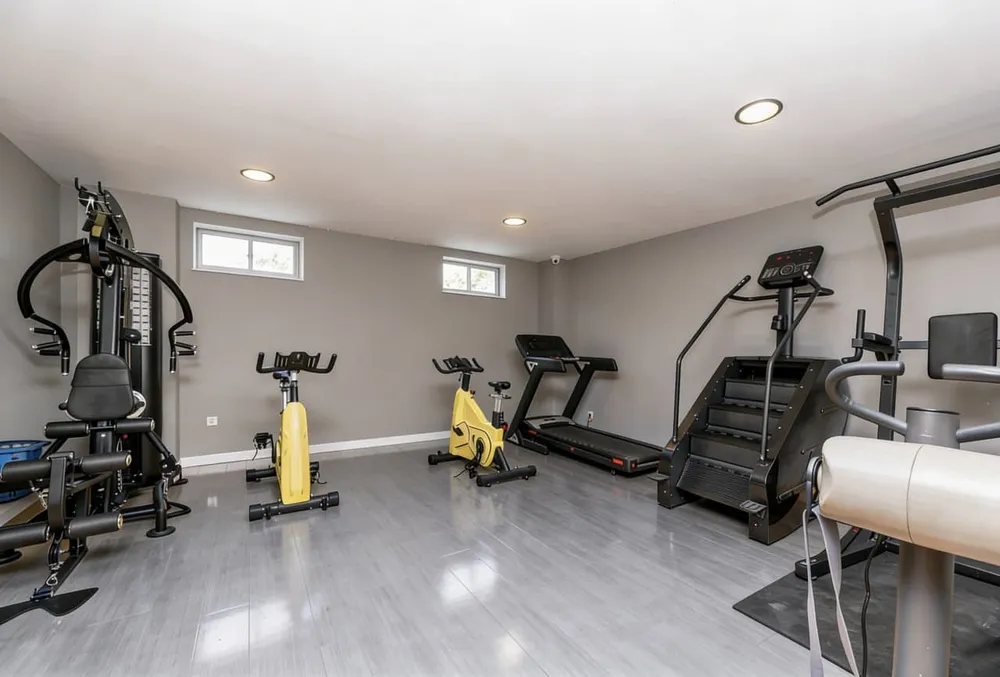
A legal suite is one the City has approved through permits
The City of Vancouver defines a secondary suite as an approved dwelling unit inside a one-family or two-family house. It has its own kitchen, living area and outside door, and it may share an inside door with the main home.
A one-family house can have one suite, and a third suite isn’t allowed. A duplex can have one suite per primary unit, but not in every zone. A suite can’t be strata titled.
These are the City of Vancouver’s rules. North Vancouver, Burnaby and other Metro Vancouver municipalities set their own.
What the City of Vancouver needs before it approves a secondary suite
- Confirm a suite is allowed on your property A one-family house can have one suite, and a third suite isn't allowed. In a duplex, each primary unit can have one, but not in every zone, so check your zone first.
- Find out whether an existing suite is already legal Request an "Approved Use" letter from the City's property research service. For a suite that was never approved, the City offers an optional special inspection for $282 plus GST.
- Floor plans of the suite, drawn to scale and labelled Show every room with its dimensions, the stairs, windows and doors, all plumbing and gas fixtures in the suite, and its ceiling height. Plans of the main house aren't required.
- A site plan showing how people reach the suite Show the path from the street to the suite entry and anything that sticks out into it. Add on-site parking and its size, the lane and street, the finished floor elevation and the grade at the four corners.
- The application form and the owner's undertaking letter Fill out the Development and Building Permit Application Form and the owner's undertaking letter (Schedule E-1). The City accepts an application only when every drawing, document and form is in it.
- A development and building permit before work starts It covers the upgrading work and changes the use of the house to include a suite. Keep the printed permit and a stamped set of the approved drawings on site for inspectors.
- Trade permits for the plumbing, electrical and gas work They're separate from the building permit, with a fire sprinkler permit where sprinklers are part of the job. The contractor generally applies, so ask who pulls each one.
- Inspections at each stage, ending with the final inspection City inspectors check the work at several stages, and your contractor tells you when to book each one. The suite isn't legal until the final inspection passes.
- A business licence only if you rent the suite out Renting the suite long-term needs a business licence. If immediate family such as parents or children live there, a long-term rental licence isn't required.
You need a development and building permit, plus trade permits
Adding a suite in Vancouver, or legalizing one built without permits, takes a development and building permit. It covers the upgrading work and the change of use. The City recommends a qualified design professional or contractor to prepare the plans. After the building permit is issued, the plumbing, electrical and gas work need their own trade permits, which the contractor generally applies for.
Your cost depends on the scope of work, contractor fees and permit fees. You may also pay a designer, architect or structural engineer. Our guide to Vancouver building permit fees explains what the City charges. For an existing suite, the City’s optional special inspection costs $282 plus GST, and you still need plans afterwards.
A bigger project can also trigger the City’s energy requirements for home renovations. They depend on the total project cost and the date you apply.
Two cases change the route. With an open building permit, you can add a suite by revising that permit, so contact your project coordinator. If the suite is part of a new house, the City’s new-house steps apply instead.
The plans must show every room, every fixture and the ceiling height
Plan review starts from the drawings in the checklist on this page: scaled, labelled floor plans of the suite and a site plan. The City publishes a sample suite drawing package, and reviewers may ask for more case by case.
The suite must also meet every City by-law before it’s legalized. Your designer and the City’s plan review check the building-code requirements, so settle them on the drawings before you apply.
Our basement renovations in Vancouver turn basements into living space, home offices, gyms and theatre rooms. To talk through your basement, book a free on-site consultation.
Suite permits can’t use the one-week fast track
The City’s Residential Renovation Fast Track issues permits within one week for simple renovations under $250,000. Adding or legalizing a secondary suite isn’t eligible. A suite application goes through intake, fees and a detailed review by several City teams. You then answer any questions or conditions before the permit is issued.
Three things slow it down. An incomplete package isn’t accepted. A change after the permit is issued has to go on the approved plans and costs extra fees. An inspection gets rescheduled if the stamped drawings aren’t on site.
Once the suite is legal, kitchen or bathroom updates inside it can qualify for the fast track. The City lists basement suites among the eligible homes.
For real waits, our Vancouver renovation permit times guide tracks how long the City takes to issue renovation permits, from its open data.
An unpermitted suite isn’t a legal unit and can affect your insurance
A suite the City hasn’t approved isn’t a legal dwelling unit, and it can’t get a short-term or long-term rental licence. The City’s FAQ warns that unpermitted work, or misstating a suite’s status, may void an insurance policy. Check with your insurer.
Starting work without a permit brings a penalty that is typically double the original permit fee, and finished work may have to come out; see what happens if you skip a permit.
Immediate family can live in a suite without a rental licence
If parents, children or other immediate family live in the suite, you don’t need a long-term rental licence. Renting it out long-term needs a business licence.
Questions people ask
What is the difference between an in-law suite and a legal suite in BC?
In Vancouver, a suite your parents or in-laws live in is a secondary suite like any other: it's legal only if it went through the City's permits and passed the final inspection. Who lives there changes only the licence: immediate family need no long-term rental licence. Other BC municipalities set their own suite rules.
How do I find out if my existing suite is legal?
Ask the City of Vancouver for an Approved Use
letter through its property research request. If the suite was never approved, the City offers an optional special inspection for $282 plus GST. After that, you'll need plans and a development and building permit to legalize it. Until then, it isn't a legal dwelling unit.
Can I strata title my basement suite?
No. The City of Vancouver's rules say a secondary suite cannot be strata titled, so it can't become its own strata lot. It stays part of the house, and a one-family house can have only one suite. Rules differ in other Metro Vancouver municipalities, so check with yours if the house isn't in Vancouver.
Can I remove an illegal suite instead of legalizing it?
Yes, but removing it needs permits too. The City requires a permit to take out the suite's kitchen and cooking facilities. Any other work done without permits needs a permit to remove or correct it. If you want to keep the kitchen, you have to legalize the suite. If the City has sent you a letter, contact your District Property Use Inspector about your options.