
Do you need a renovation permit in Vancouver?
You need a renovation permit in Vancouver to move walls or to add or move plumbing, wiring or gas lines, but not to replace fixtures, cabinets or flooring. Simple home renovations under $250,000, including kitchen and bathroom updates, can use the City's Residential Renovation Fast Track, which issues permits within one week.
By the Delwin Construction team Updated
Moving walls, plumbing, wiring or gas needs a City permit
The City of Vancouver requires a permit before you move interior walls, install or move plumbing, electrical or gas lines, or make structural repairs or changes. Creating new space your zoning allows, such as a room in the basement or attic, needs one too, and so does building or altering a deck, garage or shed. The table below sets common renovations against the City’s rules as its pages read in November 2026. Other Metro Vancouver municipalities set their own rules.
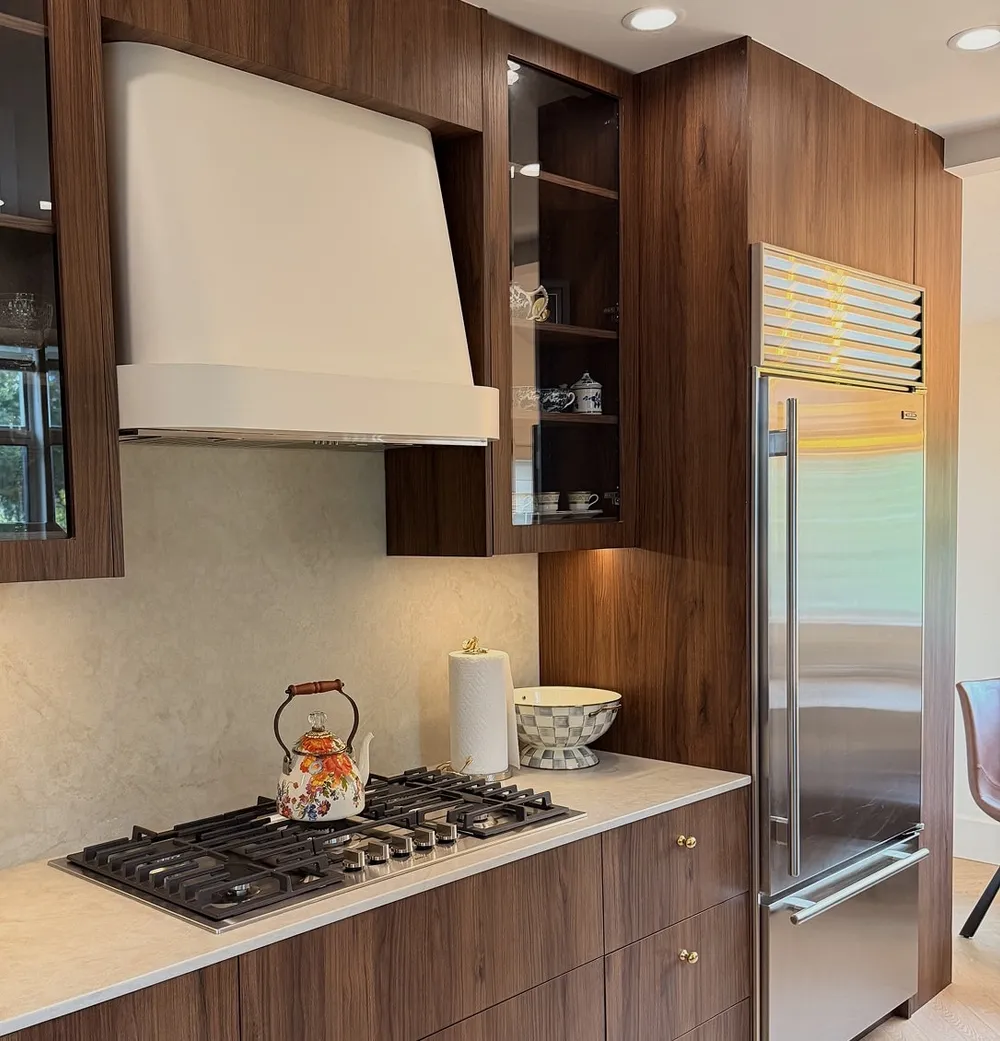
In a kitchen or bathroom, the layout decides whether you need a permit. Keep the sink, toilet, shower and outlets where they are, and new cabinets, fixtures and flooring need no permit. Move any of them and you need a building permit plus plumbing or electrical permits. Our kitchen renovations in Vancouver start with a designer drawing the floor plan, which is where that choice gets made.
The same line applies to bathroom renovations: a new vanity in the same spot needs no permit, a moved toilet or shower drain does. Renovations and tenant improvements in a commercial space generally need a permit too; see commercial renovations.
| City permit | Residential Renovation Fast Track (within one week) | |
|---|---|---|
| Replace fixtures, cabinets or flooring | No | Not needed |
| Paint the interior | No | Not needed |
| Replace an existing electric hot water tank | No (the City's list names electric tanks only) | Not needed |
| Update a kitchen or bathroom, moving plumbing or wiring | Yes: a building permit plus plumbing and electrical permits | Eligible |
| Move or remove a non-load-bearing wall | Yes | Eligible |
| Structural changes allowed by your zoning | Yes | Not eligible |
| Build an addition | Yes | Not eligible |
| Add or legalize a secondary suite | Yes: a development and building permit | Not eligible |
| Build or alter a deck | Yes | Repairs to an existing deck are eligible; a new deck is not listed, so ask the City |
| Drywall repairs to a fire separation in a multi-unit building | Yes | Not listed: ask the City |
You or your contractor applies, and the trades pull their own permits
You can apply for the building permit yourself, or your contractor or designer can apply for you. Plumbing, electrical and gas permits are separate, and the City says they’re typically submitted by the trade contractors the general contractor hires. The building permit fee is based on the estimated cost of the work, and trade permits are priced separately. Our guide to what Vancouver building permits cost works through an example.
Two documents depend on the project. A larger renovation of a house, duplex or laneway house may need an energy upgrade proposal; the City’s energy requirements for home renovations explain when. In a strata building, the City requires the strata’s written approval when the work touches common property, such as a wall between your suite and the corridor. Our guide to strata approval for renovations covers when you need it and how to ask.
If you’re not sure which rows of the table your project touches, book a free on-site consultation and get a detailed quote for the work.
Inspectors check the work in stages and at the end
A permit is how the City makes sure a renovation meets the Vancouver Building By-law’s requirements for life safety, livability, accessibility and sustainability. Inspections are where it checks the work. For a small renovation on the field review process, an inspector visits before the permit is issued and approves the proposed work based on what they find on site. Once work starts, the building work and each trade’s work are inspected at stages of construction, and the permit is complete when the final inspection passes.
Keep the printed permit and a full-size set of the City-stamped drawings on site for every inspection. If they’re missing, the inspection is rescheduled and a re-inspection fee may apply.
Simple renovations under $250,000 can get a permit within a week
The City’s Residential Renovation Fast Track (RRFT) issues permits within one week for simple residential renovations under $250,000. It covers houses, townhouses, laneway and coach houses, multiplex units, basement suites, condos and rental apartments. Kitchen and bathroom updates, plumbing and electrical updates, and removing non-load-bearing walls qualify. Structural alterations, additions, work-without-permit cases, projects that need a parking or tree review, and secondary suites don’t; our guide to legal basement suites covers the suite route.
Outside the fast track, the wait depends on the type of permit: how long renovation permits take in Vancouver uses the City’s own permit data. Either way, the City doesn’t accept an incomplete application, and fees are paid at intake, before detailed review starts. Once issued, a permit becomes void if work doesn’t start within 6 months.
Work without a permit typically costs double the permit fee
If work that needs a permit starts without one, all work stops while the permit is processed, and the usual timeline and fees still apply. The “work without permit” penalty is typically double the original permit fee, and work already done may have to come out. A work-without-permit case can’t use the fast track either.
The City also warns that you may have to do more than you planned, such as adding fire sprinklers or seismic upgrades. Unpermitted work can also cause legal or financial trouble when you sell or file an insurance claim. As the homeowner, you pay these costs yourself, even if a contractor told you no permit was needed.
Fixtures, cabinets, flooring and paint don’t need a permit
The City lists these as work that doesn’t need a permit: replacing fixtures, cabinets or flooring, painting, non-structural maintenance and minor exterior repairs. The same list includes unclogging drains, replacing an existing electric hot water tank, and installing roofing, gutters or drain-pipes.
Two limits matter. A gas water heater isn’t on that list, and gas and electrical work is regulated: Technical Safety BC licenses the contractors who do it. In a condo or apartment building, even drywall repairs need a permit when the wall is a fire separation. When in doubt, the City asks you to contact its Development and Building Services Centre before you start.
Questions people ask
Do I need a permit to renovate my bathroom in Vancouver?
Not if you only replace fixtures, cabinets and flooring and leave the plumbing and wiring where they are. Moving a toilet, shower or sink, or adding a new electrical line, needs a building permit plus plumbing or electrical permits. A bathroom update under $250,000 with no structural change qualifies for the City's one-week Residential Renovation Fast Track.
Who applies for the permit, the homeowner or the contractor?
Either can. The owner can apply, or someone such as a contractor or designer can apply on the owner's behalf with a signed owner's undertaking letter (the City's Schedule E-1). Only the applicant can pay permit fees online. Plumbing, electrical and gas permits are typically submitted by the trade contractors the general contractor hires. Agree in writing who applies before work is booked.
Does a permit expire if work doesn't start?
Yes. A City of Vancouver building permit becomes void if work doesn't start within 6 months of the date it was issued, so apply when your start date is close. If the plans change after the permit is issued, submit an amendment request; the changed work can start once the City issues the amendment.