
Permits in Vancouver
Which renovations need a City of Vancouver permit, who may do the work, the by-laws that apply on site, and how long permits take, from the City's own rules and permit data.
Every guide on permits in Vancouver
-
City of Vancouver building permit wait times for home renovations
City of Vancouver building permit wait times for a lower-complexity home renovation vary by type of home: detached houses wait weeks longer than apartments, townhouses and triplexes. In the 12 months to 22 November 2026, the median wait was 13 days for a Multiple Dwelling and 39 for a detached house.
Local data. Updated
-
Do you need a renovation permit in Vancouver?
You need a renovation permit in Vancouver to move walls or to add or move plumbing, wiring or gas lines, but not to replace fixtures, cabinets or flooring. Simple home renovations under $250,000, including kitchen and bathroom updates, can use the City's Residential Renovation Fast Track, which issues permits within one week.
Rules and permits. Updated
-
City of Vancouver retaining wall permit: the 1.2 m line
You need a City of Vancouver retaining wall permit once the wall is more than 1.2 m high, because the Vancouver Building By-law then defines it as a building. A wall that tall also needs a professional engineer's sign-off; for a lower wall, ask the City before you build.
Rules and permits. Updated
-
Construction hours in Vancouver: what the noise by-law allows
Construction hours in Vancouver for a renovation on private property are 7:30 a.m. to 8 p.m. on weekdays and 10 a.m. to 8 p.m. on Saturdays. Sundays and holidays allow no construction noise there, street work may start at 7 a.m., and anything outside the hours needs a noise by-law exception permit.
Rules and permits. Updated
-
Deck permit in Vancouver: when you need one and what to submit
You need a deck permit in Vancouver to build or alter a deck, and the City names no size or height that is exempt. A platform more than 600 mm (2 ft) above grade counts as a deck and needs a guard, and the application shows the yards, height and construction details.
Rules and permits. Updated
-
Demolition permit in Vancouver: recycling rules, deposit and reports
A demolition permit in Vancouver for a house built before 1950 requires reusing or recycling at least 75% of its materials by weight, or 90% for a character house. You pay a $15,310 deposit when you apply, refunded if you meet those rates, and salvage and abatement can start only after the permit is issued.
Rules and permits. Updated
-
Development permit vs building permit in Vancouver
The difference between a development permit and a building permit in Vancouver is scope: the first approves use and built form under zoning, the second approves construction. A basement rec room in a house needs no development permit, a secondary suite needs both, and a zoning relaxation needs the development permit first.
Rules and permits. Updated
-
Electrical permits in Vancouver: when a homeowner can take one out
An electrical permit in Vancouver comes from the City, not Technical Safety BC, and a licensed electrical contractor applies unless you qualify as a homeowner. The homeowner route needs a detached house you own and live in, no suite or rented space, a service not above 200 A, and you doing all the work.
Rules and permits. Updated
-
Fence height in Vancouver: the limit for each yard
The maximum fence height in Vancouver is 1.2 m in a front yard and 1.9 m in side and rear yards under the Zoning and Development By-law. The City's fence page skips the permit up to 4 ft in front and 6 ft behind, so build to 1.2 m and 6 ft to meet both.
Rules and permits. Updated
-
Gas permits in Vancouver: who may do the work and the 2026 fees
A gas permit in Vancouver for natural gas work comes from the City, which charges $282 in 2026 to install one, two or three gas appliances. A licensed gas contractor applies, or a homeowner in a fully detached house when nobody is paid to help and no part of the home is rented.
Rules and permits. Updated
-
Heat pump permits in Vancouver: mechanical permit, siting and noise
A heat pump permit in Vancouver is a City mechanical permit, required since July 1, 2022 for heat pumps and all other heating systems. The 2026 fee for a 1-3 storey building is $432 plus $15.30 per kW, and a house's outdoor unit must sit at least 90 cm from the property line.
Rules and permits. Updated
-
Load-bearing wall removal permit in Vancouver: what the City requires
A load-bearing wall removal permit in Vancouver is a regular building permit: taking out a load-bearing wall is a structural alteration, so the City's one-week fast track doesn't apply. A non-load-bearing wall can use the fast track in a renovation under $250,000, so have a registered professional confirm which kind you have first.
Rules and permits. Updated
-
Moving a kitchen sink in Vancouver: the permit and the fees
Moving a kitchen sink in Vancouver needs a permit, because the City requires one whenever plumbing lines move, while a new sink in the same spot needs none. In our example, moving the sink to an island on a $40,000 kitchen adds $985.50 in 2026 City fees: a $703.50 building permit and a $282 plumbing permit.
Decision guide. Updated
-
Plumbing permits in Vancouver: who can apply and what it costs
You need a plumbing permit in Vancouver to move or add plumbing, and only a licensed plumbing contractor or an owner who lives there can get one. The owner route is limited to a home with one principal dwelling unit, and the 2026 fee starts at $282 for up to three fixtures.
Rules and permits. Updated
-
Street use permits in Vancouver: bins, deliveries and scaffolding
Vancouver has two street use permits for renovation work, and a bin, delivery or crane lift on the street needs the temporary street occupancy permit. The other, the construction street use permit, is for hoarding, scaffolding, shoring or excavation that reaches into City property, and a new building must have one.
Rules and permits. Updated
-
Tree removal permit in Vancouver: the 20 cm rule, fees and documents
You need a tree removal permit in Vancouver to cut down a tree on private property whose trunk is 20 cm or more across, measured 1.4 m above the ground. The first tree in a 12-month period costs $113 and each additional one $324, and off a development site you'll need an ISA-certified arborist's report.
Rules and permits. Updated
-
Vancouver building permit search by address: a home's permit history
A Vancouver building permit search by address starts with the City's online permit search, which finds existing permits and applications by address, permit number or date. If what you need isn't there, the City's property research service provides copies of permit documents and formal letters about a property, for a fee.
Checklist. Updated
What needs a permit
The services behind these guides
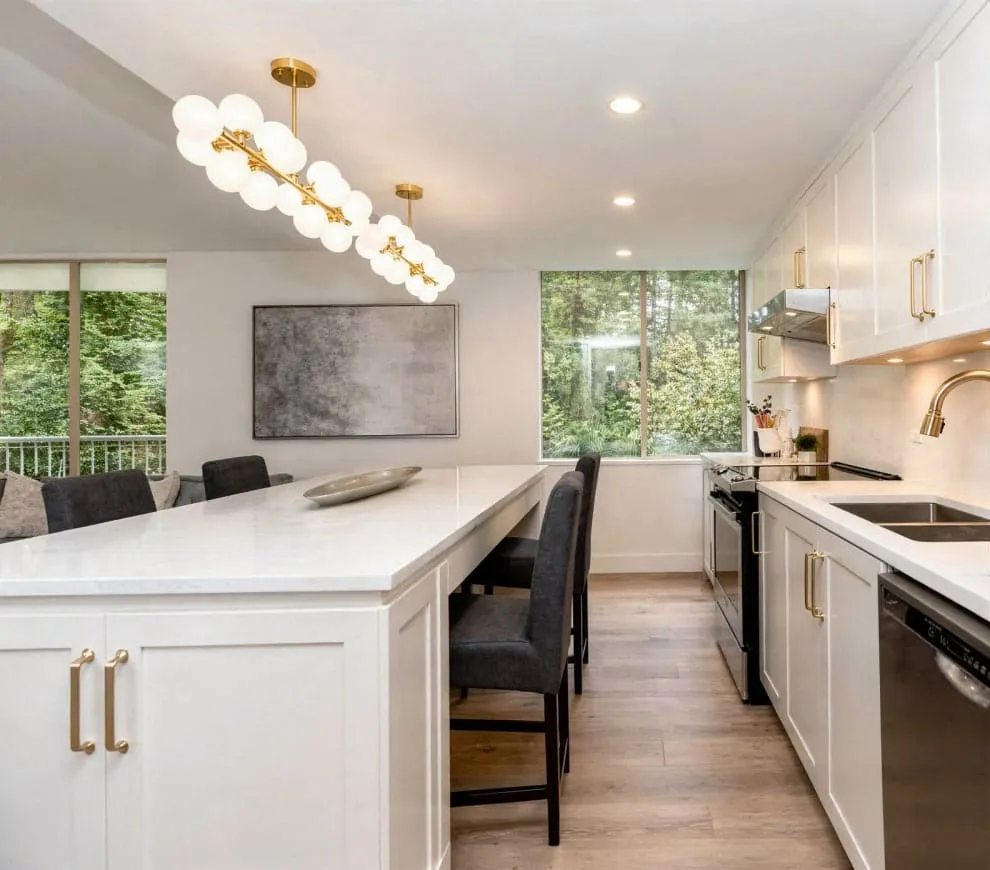
- Kitchen Renovations Kitchen renovations that start with a designer to plan the layout and choose cabinets, countertops, backsplash tile, flooring, appliances and fixtures. Service
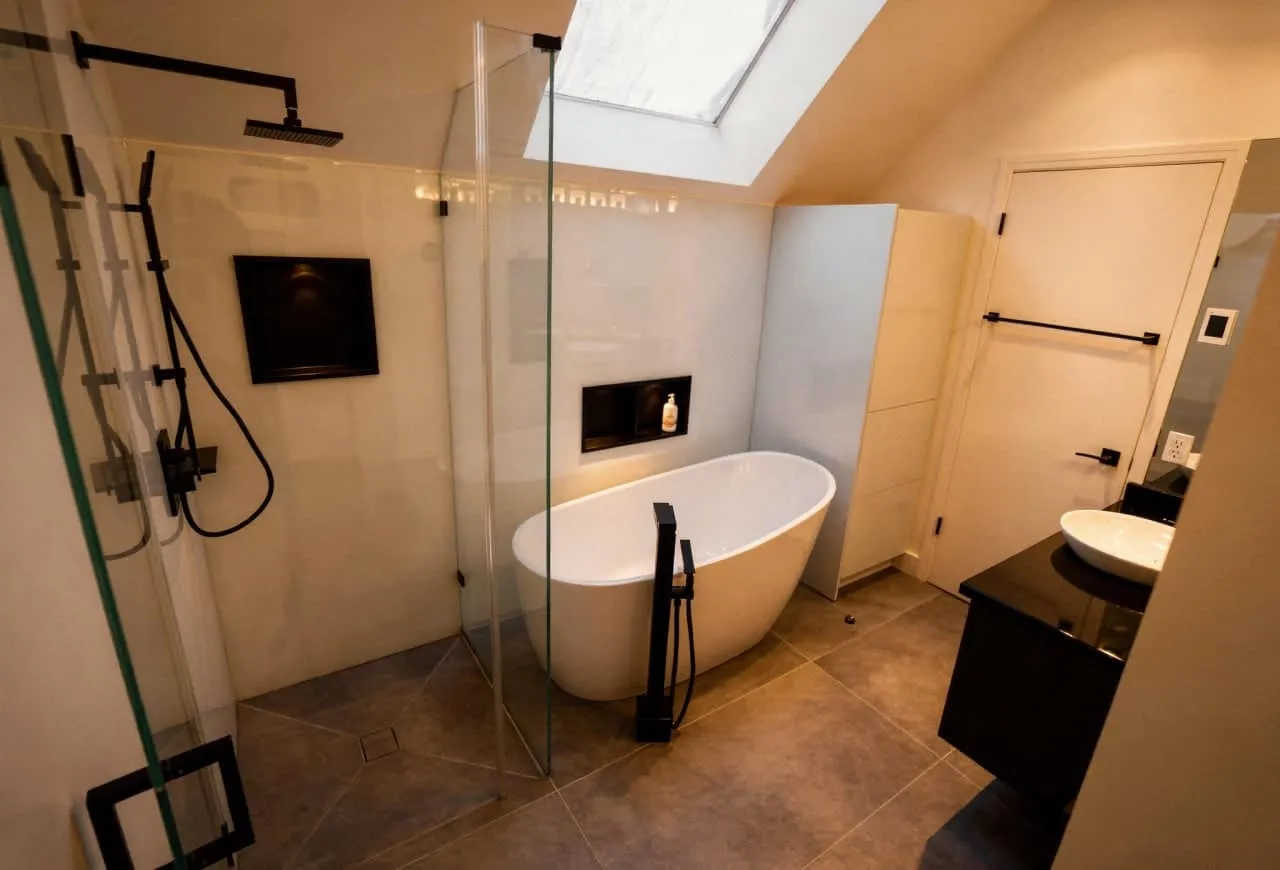
- Bathroom Renovations Bathroom renovations: flooring, wall and shower tile, lighting, vanities and cabinetry, walk-in showers and tubs. Service
- Basement Renovations Basements finished as living space, home offices, gyms, theatre or entertainment rooms, or a separate residence. Service
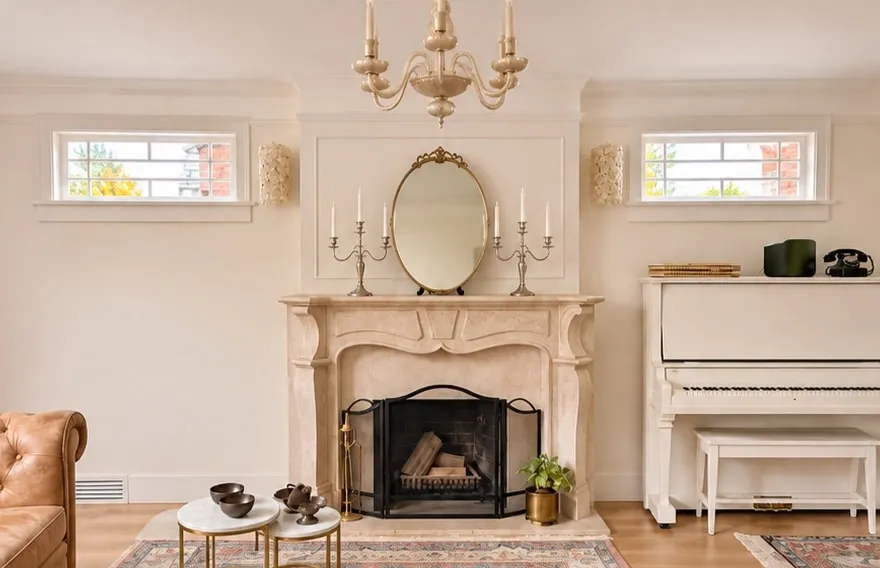
- Full Home Renovations Whole-home renovations designed, built and managed by one team, from layout and finishes to flooring, fireplaces, cabinets and pantries. Service
- Outdoor Living Renovations Outdoor living spaces: patios, decks, covers, fire pits, water features and custom outdoor lighting. Service
- Commercial Renovations Renovations of offices, medical and dental clinics, retail stores, restaurants, salons, spas and warehouse spaces. Service
Start with a free on-site consultation
We visit the space and send a free quote with clear, detailed pricing. Kiera K. wrote about working with us from the initial consultation to the final touches.